In-App Purchases and Subscriptions: StoreKit, Play Billing, and Receipt Validation
 John Hambardzumian · Full Stack & Mobile Developer | Node.js, React Native, PHP, Laravel | 7+ Years Building Scalable Web & Mobile AppsApr 11, 20261 min read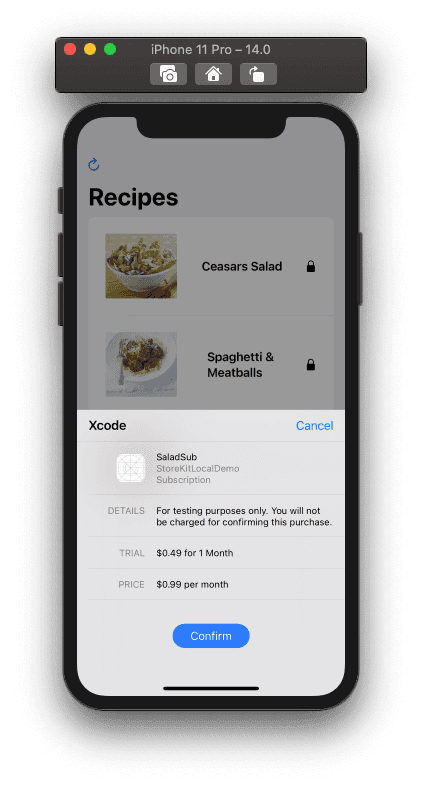
Digital goods and subscriptions are governed by Apple App Store and Google Play policies—commission structures, refund handling, and family sharing nuances differ. Client-side purchase flows must pair with server-side receipt validation to prevent fraud and synchronize entitlements across devices.
Product catalogs and staging
Define product identifiers identically across stores where possible. Use sandbox testers and license testers aggressively before production. Test introductory offers, win-back campaigns, and proration on plan changes.
Receipts and backend truth
Never trust the client alone—upload JWS transactions and legacy receipts to your backend for verification against Apple and Google endpoints. Persist subscription state machine transitions: in grace period, on hold, revoked.
Edge cases
Handle offline purchases queued for acknowledgment, restore purchases for non-consumables, and platform differences in subscription management UI—Apple mandates in-app account management links under recent guidelines.
Analytics and churn
Instrument conversion funnels without leaking PII to analytics vendors in violation of store policies. Correlate cohorts with voluntary surveys rather than invasive fingerprinting.
Conclusion
Billing integrations are long-term operational commitments. Budget for bookkeeping, tax localization, and customer support tooling alongside engineering milestones.
Written by John Hambardzumian
Full Stack & Mobile Developer | Node.js, React Native, PHP, Laravel | 7+ Years Building Scalable Web & Mobile Apps. Focused on React Native and full-stack development.