Building the Next Generation of Apps: From Generative UI to Real-Time, API-First, and Privacy-First Architectures
 John Hambardzumian · Full Stack & Mobile Developer | Node.js, React Native, PHP, Laravel | 7+ Years Building Scalable Web & Mobile AppsMar 20, 20265 min read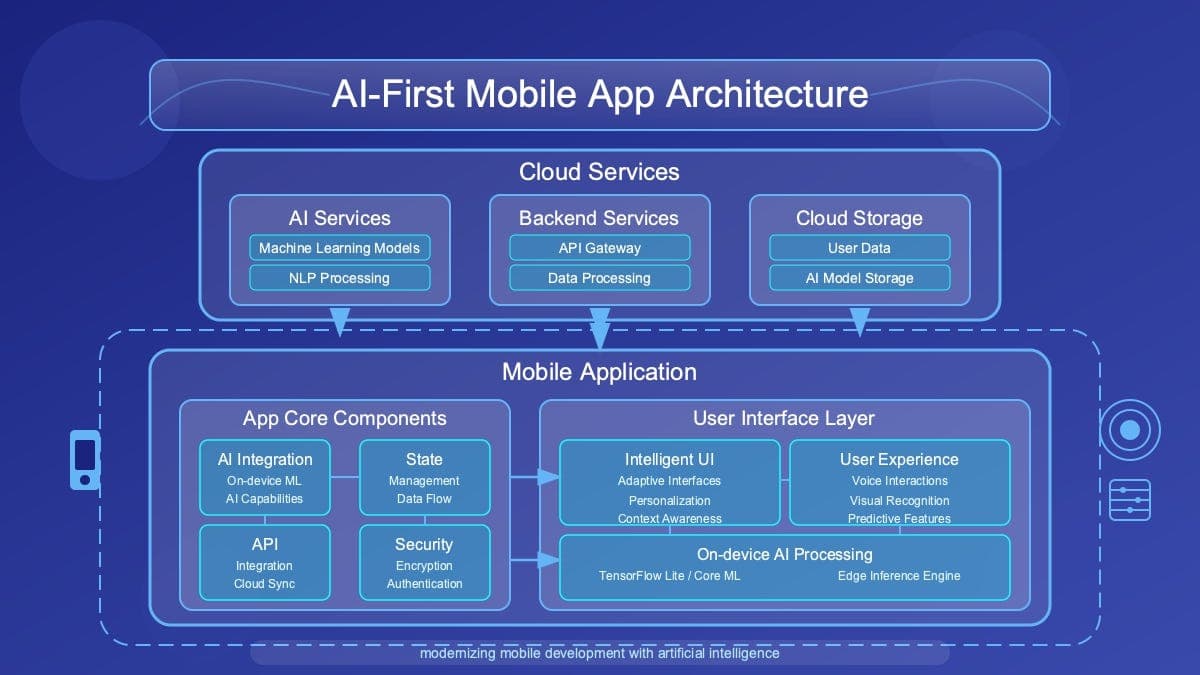
Introduction: A New Software Paradigm is Emerging
The modern application stack in 2026 is undergoing a structural transformation. Traditional paradigms—monolithic backends, static interfaces, and centralized control—are being replaced by dynamic, distributed, and intelligent systems. Applications are no longer just tools; they are adaptive ecosystems powered by AI, real-time data, and modular architectures.
This shift is driven by the convergence of several key trends: generative UI, real-time applications, API-first development, privacy-first design, and decentralized infrastructure. Together, they are redefining how software is built, deployed, and experienced.
1. Generative UI: Interfaces That Adapt in Real Time
Generative UI represents a radical departure from static interface design. Instead of pre-defined layouts, interfaces are dynamically generated based on user intent, behavior, and context.
- Intent-driven rendering: UI adapts based on natural language input
- Personalization at scale: Each user experiences a unique interface
- Reduced design constraints: Developers define rules, not layouts
Platforms leveraging large language models, such as OpenAI and Google Gemini, are enabling real-time UI generation that responds to user queries.
Example Use Case
In a budgeting app, instead of navigating menus, users can simply say: “Show my expenses this month and suggest savings.” The UI dynamically constructs charts, insights, and recommendations.
2. Real-Time Applications: Instant Feedback as a Standard
Users now expect instant responses. Real-time applications are no longer optional—they are foundational.
- Live collaboration (e.g., Google Docs)
- Real-time analytics dashboards
- Instant notifications and updates
Technologies such as WebSockets, GraphQL subscriptions, and event streaming platforms like Apache Kafka enable low-latency communication between systems.
Architectural Pattern
Event-driven architecture is becoming the backbone of real-time systems, allowing services to react instantly to changes.
3. API-First Development: The Foundation of Scalability
API-first development has evolved from a best practice into a necessity. In a world of interconnected services, APIs define how systems communicate.
- Decoupled systems: Frontend and backend evolve independently
- Faster integrations: Third-party services plug in seamlessly
- Improved developer experience: Clear contracts and documentation
Companies like Stripe and Twilio have demonstrated that well-designed APIs can become products in their own right.
GET /api/v1/transactions
Authorization: Bearer <token>

Response:
{
  "data": [
    { "amount": 120, "category": "Food" }
  ]
}
4. Privacy-First and Local-First Architectures
Privacy is becoming a core differentiator in software products. Users are increasingly aware of how their data is used, and regulations are tightening globally.
- On-device data processing
- End-to-end encryption
- Minimal data collection principles
Local-first applications take this further by ensuring that data remains on the user's device whenever possible, syncing only when necessary.
Strategic Impact
Privacy-first design builds trust, which is becoming a critical competitive advantage in consumer and enterprise markets.
5. Serverless + Edge: The New Infrastructure Layer
The combination of serverless computing and edge infrastructure is redefining how applications are deployed.
- Functions executed globally at the edge
- Automatic scaling without infrastructure management
- Reduced latency for end users
Platforms like Vercel Edge Functions and Cloudflare Workers allow developers to run code closer to users, improving performance and reliability.
export default async function handler(request) {
  return new Response("Hello from the edge!");
}
6. AI Developer Tools: Accelerating the Build Process
AI-powered developer tools are transforming productivity. Tools like GitHub Copilot and Cursor AI are enabling developers to write, debug, and optimize code faster than ever.
- Code generation and completion
- Automated testing and debugging
- Natural language to code conversion
This trend is reducing the barrier to entry while increasing the speed of innovation.
7. Low-Code and No-Code Platforms: Expanding the Builder Economy
Low-code and no-code platforms are empowering non-technical users to build applications.
- Drag-and-drop interfaces
- Pre-built components
- Rapid deployment
While these platforms are not replacing traditional development, they are enabling faster experimentation and prototyping.
8. Web3 Practical Use: Moving Beyond Hype
Web3 is transitioning from speculation to practical applications. Developers are focusing on real-world use cases rather than abstract concepts.
- Decentralized identity systems
- Blockchain-based payments
- Smart contract automation
Companies like Ethereum and Polygon are building infrastructure that supports scalable, real-world applications.
9. Fintech AI: Intelligent Financial Systems
AI is transforming fintech by enabling smarter, faster, and more secure financial systems.
- Fraud detection using machine learning
- Automated investment strategies
- Personalized financial insights
These capabilities are becoming essential for modern financial platforms.
10. Cybersecurity Enhancements: Securing Complex Systems
As applications become more distributed, security becomes more complex. Cybersecurity is evolving to meet these challenges.
- Zero-trust architectures
- AI-driven threat detection
- Continuous monitoring
Security is no longer a separate layer—it is integrated into every stage of development.
11. Voice Interfaces and Multimodal Experiences
Voice and multimodal interfaces are becoming more common, enabling more natural interactions.
- Voice commands integrated into apps
- Combination of text, voice, and visual inputs
- Context-aware responses
This trend is driven by advancements in AI and user experience design.
12. AR/VR and Immersive Applications
Immersive technologies are expanding beyond gaming into enterprise applications.
- Virtual meetings and collaboration
- Training simulations
- Interactive shopping experiences
Companies like Apple and Meta are leading the development of AR/VR ecosystems.
13. IoT Smart Applications: Bridging Digital and Physical Worlds
IoT applications are enabling smarter environments by connecting devices and systems.
- Smart homes and cities
- Industrial automation
- Predictive maintenance
Edge computing plays a critical role in processing IoT data efficiently.
Conclusion: Designing for a Distributed, Intelligent Future
The next generation of applications is defined by intelligence, distribution, and adaptability. Generative UI, real-time systems, API-first design, and privacy-first architectures are not isolated trends—they are interconnected elements of a new software paradigm.
For developers and organizations, the challenge is to integrate these trends into cohesive systems that deliver value to users. Those who succeed will build applications that are not only functional but intelligent, responsive, and trustworthy.
The future of software is not just about building apps—it is about building ecosystems that evolve with users and the world around them.
Written by John Hambardzumian
Full Stack & Mobile Developer | Node.js, React Native, PHP, Laravel | 7+ Years Building Scalable Web & Mobile Apps. Focused on React Native and full-stack development.